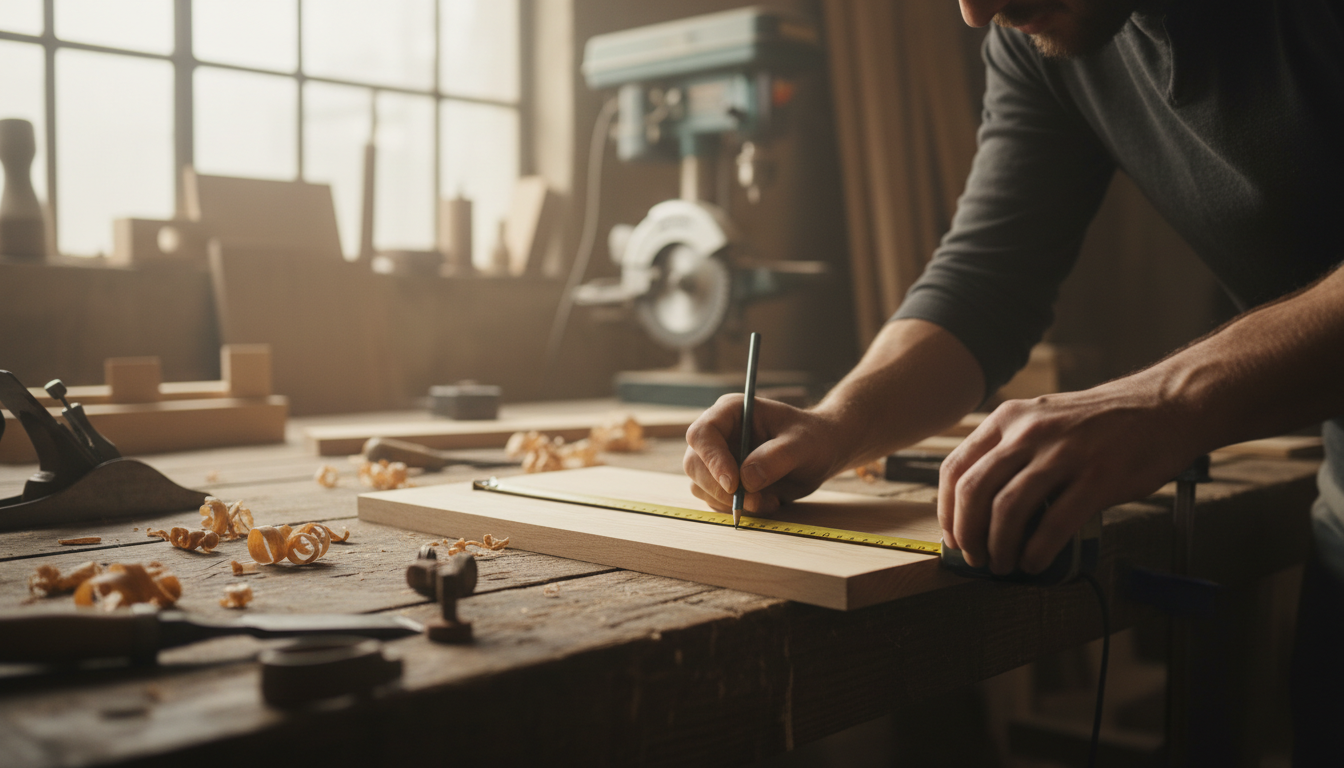
Finish carpentry work is the installation of visible woodwork like trim, molding, and cabinetry that occurs after a building's structural framing and drywall are complete. This trade focuses on aesthetic details such as baseboards, window casings, and doors to provide a polished interior finish. Understanding what is finish carpentry work is essential for homeowners who want to achieve high quality craftsmanship and refined architectural details throughout their property.
You might walk into a room and feel that something is missing, even if the walls are straight and the floors are level. Often, the culprit is lackluster or missing trim that fails to tie the space together. While structural work keeps a house standing; it is the finish carpentry that makes it a home. These visible details, ranging from intricate crown molding to seamless baseboards, are the final layer of craftsmanship that defines your interior style. In this guide, we will explore the essential role of finish carpentry in modern and historic Western Massachusetts homes. You will learn the critical differences between structural and decorative woodcraft, the primary components of interior trim, and why professional precision is the key to a polished, high-end result that lasts for generations.
Understanding Finish Carpentry: The Art of the Visible
To define what is finish carpentry work, one must look at the final layers of a home's construction. If rough carpentry represents the skeleton, including the framing and structural integrity hidden behind drywall, then finish carpentry is the personality and aesthetic character that you interact with every day. It is the final stage of the building process, encompassing all visible woodwork that transforms a basic structure into a refined living space.
While rough carpentry focuses on strength and load-bearing requirements, finish carpentry demands a much higher degree of precision and artistry. This trade includes the installation of window and door casings, baseboards, crown molding, and custom shelving. At Field & Home Works, we view finish carpentry services as the intersection where technical craftsmanship meets your daily experience of home. It is found in the way a door swings perfectly within its frame or how a mitered corner on a baseboard appears seamless.
For homeowners throughout Western Massachusetts, these details define the character of a room. We focus on using natural materials and traditional joinery to ensure these elements remain beautiful for decades. You can learn more about Field & Home Works and our dedication to the tactile, visible details that make a house feel complete. If you have a specific vision for your interior, please contact us for a consultation.
Rough Carpentry vs. Finish Carpentry: Where the Structure Ends and the Style Begins
Understanding what is finish carpentry work requires looking at the sequence of a residential build. Rough carpentry is the heavy lifting that occurs before the drywall goes up. It creates the skeleton of the house using dimensional lumber, where measurements are often rounded to the nearest eighth of an inch. These structures are built for strength and load-bearing stability, not for the naked eye. Once the framing is complete and the mechanical systems are inspected, the walls are closed, leaving the rough carpenter's work hidden forever.
Finish carpentry begins only after the drywall is hung, taped, and sanded. This stage requires a significant shift in precision, moving from tolerances of an eighth of an inch to thirty-seconds of an inch. While a rough carpenter builds the house, a finish carpenter makes it a home. There is no room for error in these final layers; a gap the width of a credit card in a miter joint is a visible flaw that cannot be easily hidden. This level of detail ensures that every line is crisp and every transition is intentional.
Homeowners often ask, "What does a finish carpenter do?" The answer lies in the touch points of your living space. We are responsible for the elements you see and interact with daily, from the front door that must swing effortlessly to the baseboards that ground a room. Our finish carpentry services focus on these functional and decorative details, ensuring that hardware operates smoothly and wood joints remain tight throughout the changing New England seasons. By focusing on these minute details, Field & Home Works ensures that the transition from a structural project to a finished interior is one of quality and lasting durability.
The Core Components: Trim, Molding, and Interior Details
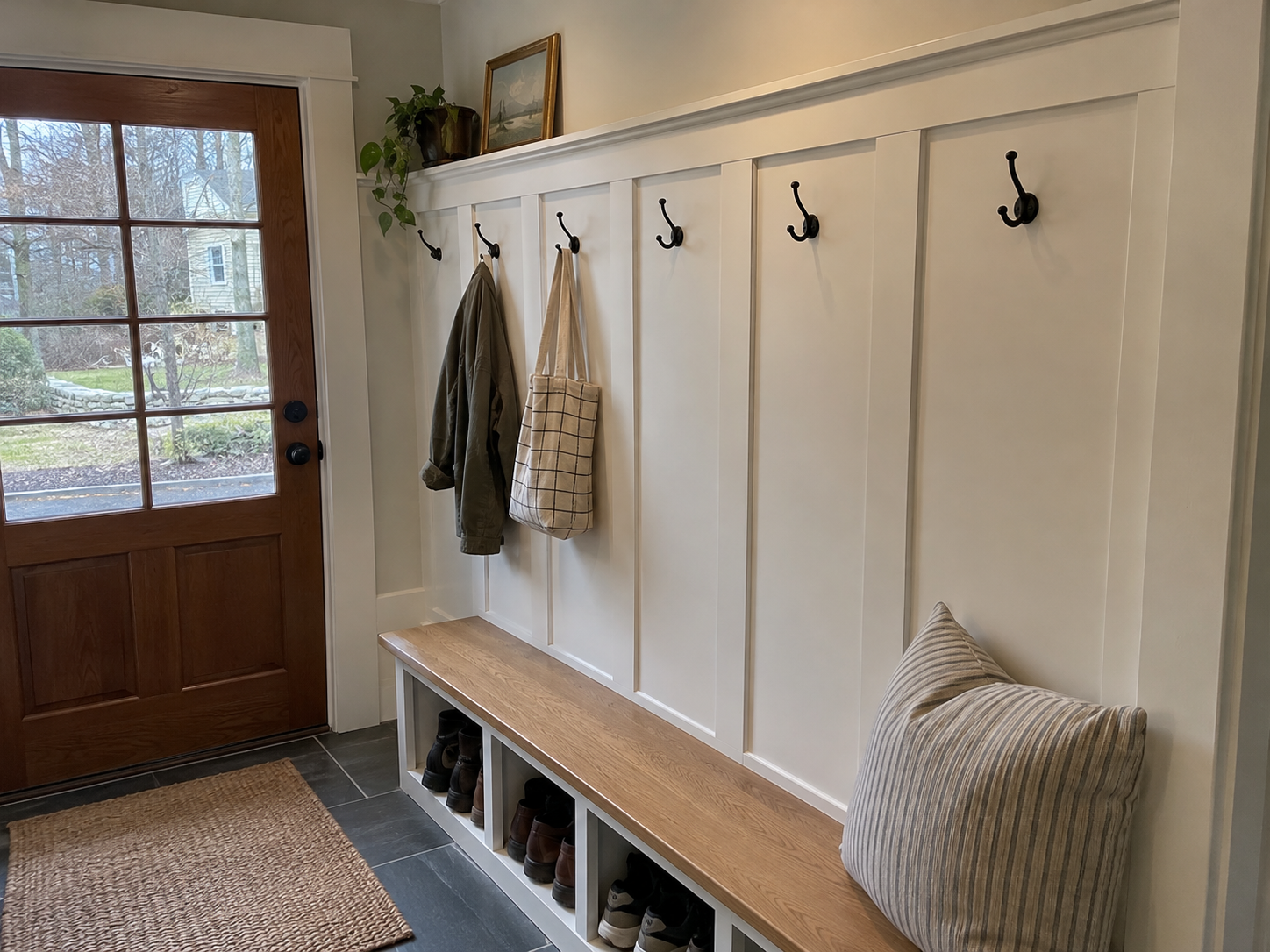
The primary elements of finish carpentry are the linear moldings that define the boundaries of a room. Baseboards serve a dual purpose; they protect the lower edge of the drywall from floor cleaning equipment and foot traffic while providing a visual anchor for the walls. Above, crown molding softens the sharp right angle where the wall meets the ceiling, creating a more sophisticated transition that can make a room feel more formal or cohesive. Window and door casings function as the frames for these openings, concealing the structural gaps between the door jamb and the finished wall surface.
Beyond these essentials, homeowners often choose to add architectural depth through wainscoting or chair rails. These features divide the wall horizontally, protecting the surface in high traffic areas like dining rooms or hallways while offering a traditional aesthetic. When selecting materials for these finish carpentry services, the choice between paint grade and stain grade is a defining decision for the project.
Material Type | Common Woods | Best Use Case |
|---|---|---|
Paint Grade | MDF, Poplar, Pine | Modern interiors, crisp white finishes, uniform aesthetics |
Stain Grade | Oak, Maple, Cherry, Walnut | Historic restorations, showcasing grain, adding natural warmth |
Paint grade materials, such as Medium Density Fiberboard (MDF) or poplar, offer a smooth, uniform surface that takes paint exceptionally well. In contrast, stain grade materials like cherry or maple are selected for their unique grain patterns and character. Using natural wood adds a layer of organic warmth to a home that paint cannot replicate. Because about Field & Home Works is rooted in an appreciation for natural materials, we prioritize selecting the right species to complement the existing architecture of a house. Understanding the nuances of these materials helps clarify what is finish carpentry work in a practical sense; it is the thoughtful selection and installation of wood that bridges the gap between a house's structure and its finished design. For advice on which material fits your room, please contact us for a consultation.
Custom Woodwork: Built-ins and Shelving for Western Massachusetts Homes
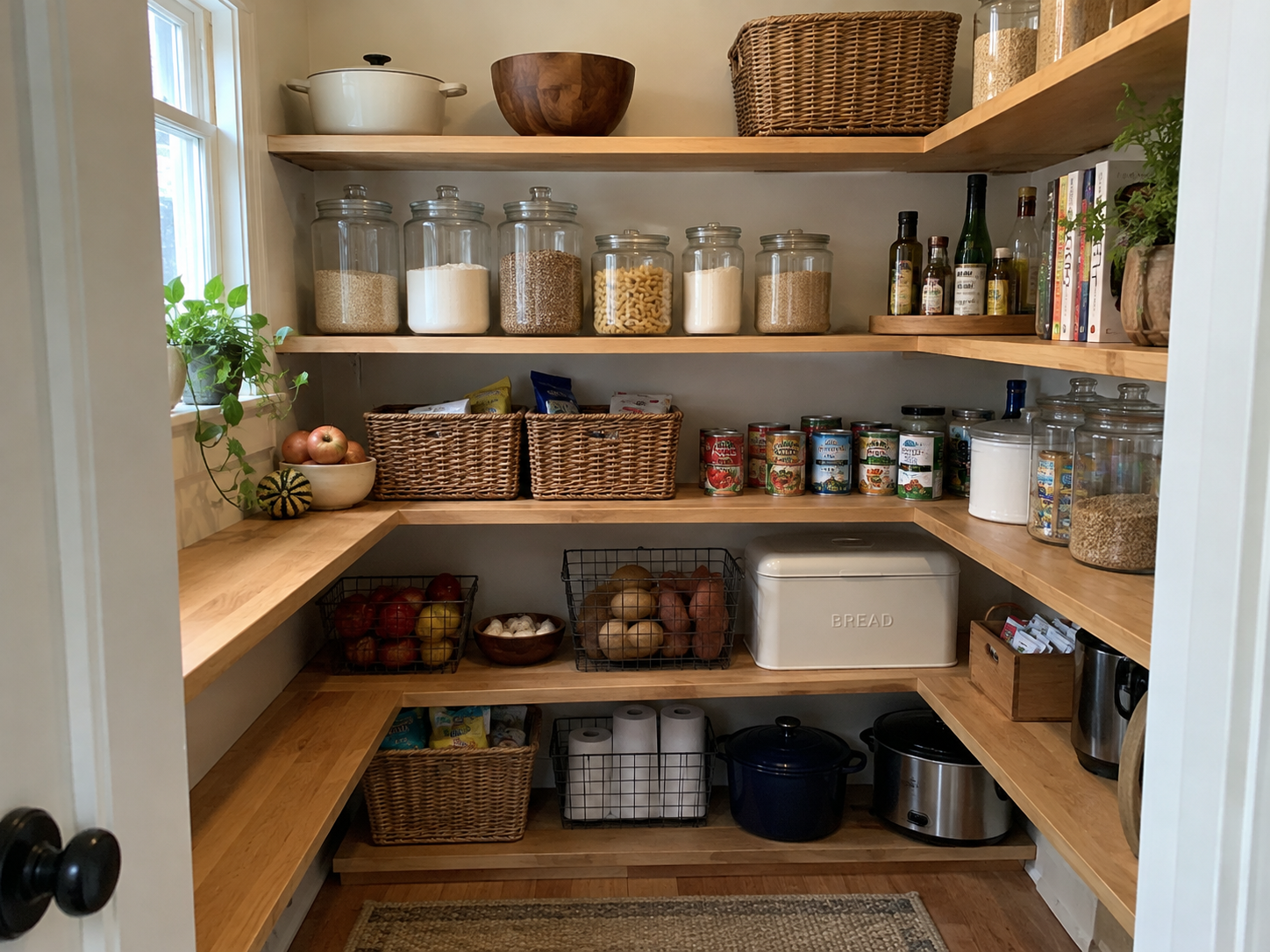
While trim and molding define the borders of a room, custom woodwork expands the utility and storage capacity of your living space. This specialized branch of finish carpentry services includes the creation of built-in bookshelves, mudroom benches, and tailored closet systems. In the Pioneer Valley, where many of our historic Northampton homes were built long before the era of walk-in closets and modern mudrooms, these additions are essential for maintaining an organized household.
The primary advantage of custom shelving over prefabricated units is the ability to adapt to a house's unique geometry. Older homes in Western Massachusetts rarely feature perfectly plumb walls or level floors. A professional carpenter uses a technique called scribing to trace the exact profile of an uneven wall or a sagging floor onto the wood. This allows the shelf or cabinet to fit flush against the plaster, creating a seamless appearance that looks original to the architecture. This level of integration is a core part of what is finish carpentry work; it is the process of making new additions feel like they have always belonged.
Beyond aesthetics, custom solutions maximize every inch of available space in a way that store bought furniture cannot. The focus at about Field & Home Works is on using durable materials and thoughtful design to solve specific spatial challenges. For those looking to transform an underutilized nook into a functional feature, please contact us for a consultation.
The Precision Factor: Why Quality Joinery Matters
Precision in this trade is measured in thirty-seconds of an inch, but its true impact is felt over decades. At its core, this precision relies on joinery, the method used to connect two pieces of wood. A common miter joint, where two boards are cut at 45 degree angles, is standard for flat casings. However, inside corners in crown molding often require a coped joint. This technique involves hand-shaping the end of one board to fit the exact profile of the adjacent piece. Coped joints are technically superior for our local climate because they remain tight even as the wood naturally expands and contracts with the changing seasons.
Gaps in trim are more than just a visual annoyance; they are often a sign of poor craftsmanship that leads to long-term failure. When a joint is poorly fitted, the cyclic movement of the wood eventually causes caulk to fail and paint to crack. Understanding what is finish carpentry work involves recognizing that it is this technical joinery that keeps a home looking new. Our finish carpentry services utilize a blend of tools to achieve these tolerances. We use modern pneumatic nail guns for efficient fastening, but we rely on traditional hand planes and sharp chisels for the final, refined fit. This combination ensures that the visible woodwork is not only beautiful today but remains stable for years. Understanding about Field & Home Works means recognizing our commitment to these technical details. For a project built to last, please contact us for a consultation.
Finish Carpentry for Historic and Modern Northampton Homes
Residential architecture in the Pioneer Valley spans centuries, requiring a finish carpenter to be as comfortable with a 19th-century Victorian as a contemporary minimalist build. In historic Northampton homes, defining what is finish carpentry work often means meticulous restoration. When original moldings are damaged or removed during a renovation, standard off the shelf profiles rarely match. We focus on sourcing or custom milling trim that replicates the specific weight and shadow lines of the original woodwork, ensuring the new work is indistinguishable from the old.
Modern builds in Western Massachusetts present a different challenge. Contemporary designs often utilize simple, square-edged trim that demands extreme precision. Without the decorative overlaps of traditional molding to hide gaps, every miter must be perfect. Furthermore, the local climate necessitates careful moisture management. Our humid summers and dry, heated winters cause wood to move significantly. We mitigate this by acclimating materials to the home before installation and using stable joinery techniques that prevent cracking. This localized expertise is a hallmark of finish carpentry services at about Field & Home Works. To discuss your home’s specific architectural needs, contact us for a consultation.
DIY vs. Hiring a Professional Finish Carpenter
Homeowners often weigh the cost of professional finish carpentry services against the potential savings of a DIY approach. Installing a simple run of flat baseboard in a guest room is a reasonable project for a patient hobbyist with a basic miter saw. However, as the complexity of the task increases, so does the risk of expensive material waste. Tasks such as hanging a heavy solid core door or installing three piece crown molding require specialized tools and an understanding of how wood behaves. A professional finish carpenter brings high end equipment, including track saws for perfectly straight cuts and pneumatic pin nailers that leave nearly invisible holes, which most homeowners do not own.
When searching for a local carpenter near Northampton, the decision often comes down to the desired level of refinement. What is finish carpentry work if not the pursuit of perfection? If you are hiring a professional, use this checklist to ensure they meet the standards required for your home:
Portfolio Quality: Look for photos of tight miters and coped joints, specifically in high contrast areas like white trim against dark walls.
Communication: A reliable contractor explains their process and provides a clear, itemized estimate.
Work Site Etiquette: Professionalism includes using dust extraction systems and floor protection to keep your living space clean.
At about Field & Home Works, we prioritize a direct, one on one relationship with our clients to ensure every detail matches their expectations. For help with your next interior project, please contact us for a consultation.
Finish carpentry is the final touch that defines a home's character. Whether it is crown molding or custom built-ins, these details elevate a space from basic to beautiful. While many homeowners enjoy tackling small projects, achieving a seamless, professional look requires precision and the right tools. If you want expert help bringing your vision to life, we are here to assist. You can learn more About our team and our dedication to craftsmanship to see if we are the right fit for your next home improvement project.